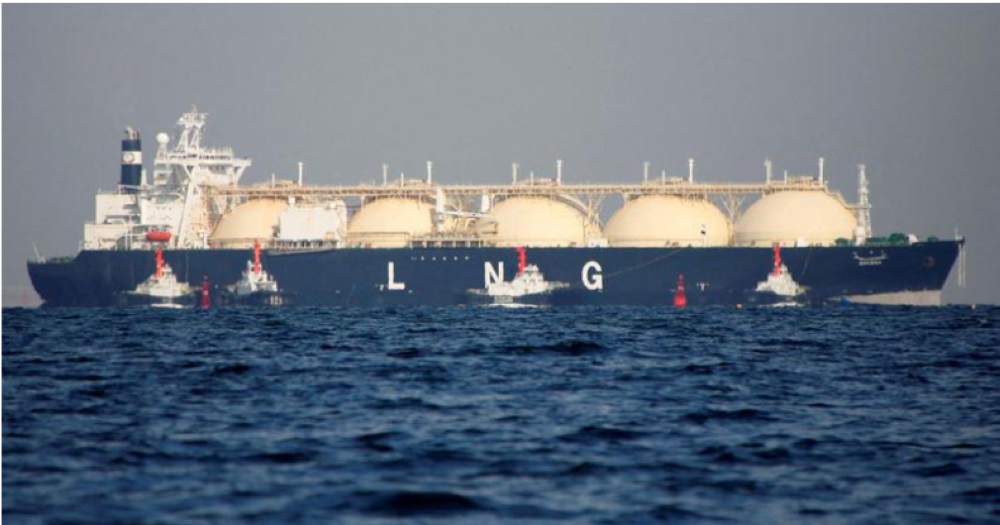
Bangladesh faces steep rise in LNG prices after Qatar supply halt
Mar 09, 2026
Dhaka [Bangladesh], March 9: Bangladesh is set to pay sharply higher prices for liquefied natural gas (LNG) from the spot market after Qatar suspended deliveries amid the escalating Iran-Israel conflict, forcing authorities to ration gas and shut several fertiliser plants.
State-run Petrobangla has arranged two spot LNG cargoes for March to keep supplies flowing, officials said.
One shipment from Gunvor will cost $28.28 per million British thermal units (mmBtu) and is expected to arrive on March 15-16, while another from Vitol, priced at $23.08 per mmBtu, is due on for March 18-19, a senior Petrobangla official said.
The prices have jumped sharply from the year's earlier purchases.
In January, Bangladesh secured spot cargoes at around $10 per mmBtu, including a 3.36 million mmBtu shipment from TotalEnergies for January 4-5 delivery at $10.37 per mmBtu, and another from Posco International for Jan. 9-10 delivery at $9.99 per mmBtu.
A second Petrobangla official said the government had no choice but to turn to the spot market after QatarEnergy halted its long-term contract shipments and invoked force majeure because of disruptions linked to the Iran-Israelconflict.
"With supplies under the long-term contract disrupted, we had to arrange cargoes from the spot market despite the high prices," the official said.
Both officials spoke on condition of anonymity as they were not authorised to speakto media.
The supply crunch has spurred the government to begin gas rationing, including shutting down four fertiliser factories to prioritise power generation and other essential sectors.
Officials warned that if the disruption persists, Bangladesh may have to depend more heavily on the volatile spot LNG market, further straining its energy import bill.
Energy analysts said the sharp increase in spot LNG prices reflects tightening global supply and heightened geopolitical risks affecting key shipping routes and producers in the Middle East. Any prolonged disruption could push prices even higher and intensify competition among Asian buyers seeking alternative cargoes.
Industry observers also noted that Bangladesh's growing reliance on imported LNG has made the country more vulnerable to fluctuations in international energy markets. Policymakers may now face increased pressure to diversify energy sources, expand domestic gas exploration and accelerate investments in renewable energy to improve long-term energy security.
Source: Fijian Broadcasting Cooperation