China and its space tourism ambitions
Dec 03, 2025
Beijing [China], December 3: China is boosting its commercial space industry with more than 600 businesses selling space tourism tickets, allowing visitors to experience zero gravity and see the Earth from orbit.
According to Channel NewsAsia, China is increasing investment in the commercial space industry, with the goal of turning space into a new growth engine. The country currently has more than 600 enterprises operating in the industry, including manufacturing rockets, satellites, and data services. The value of China's commercial space market is forecast to exceed 2,500 billion yuan (about 9,300 billion VND) in 2025.
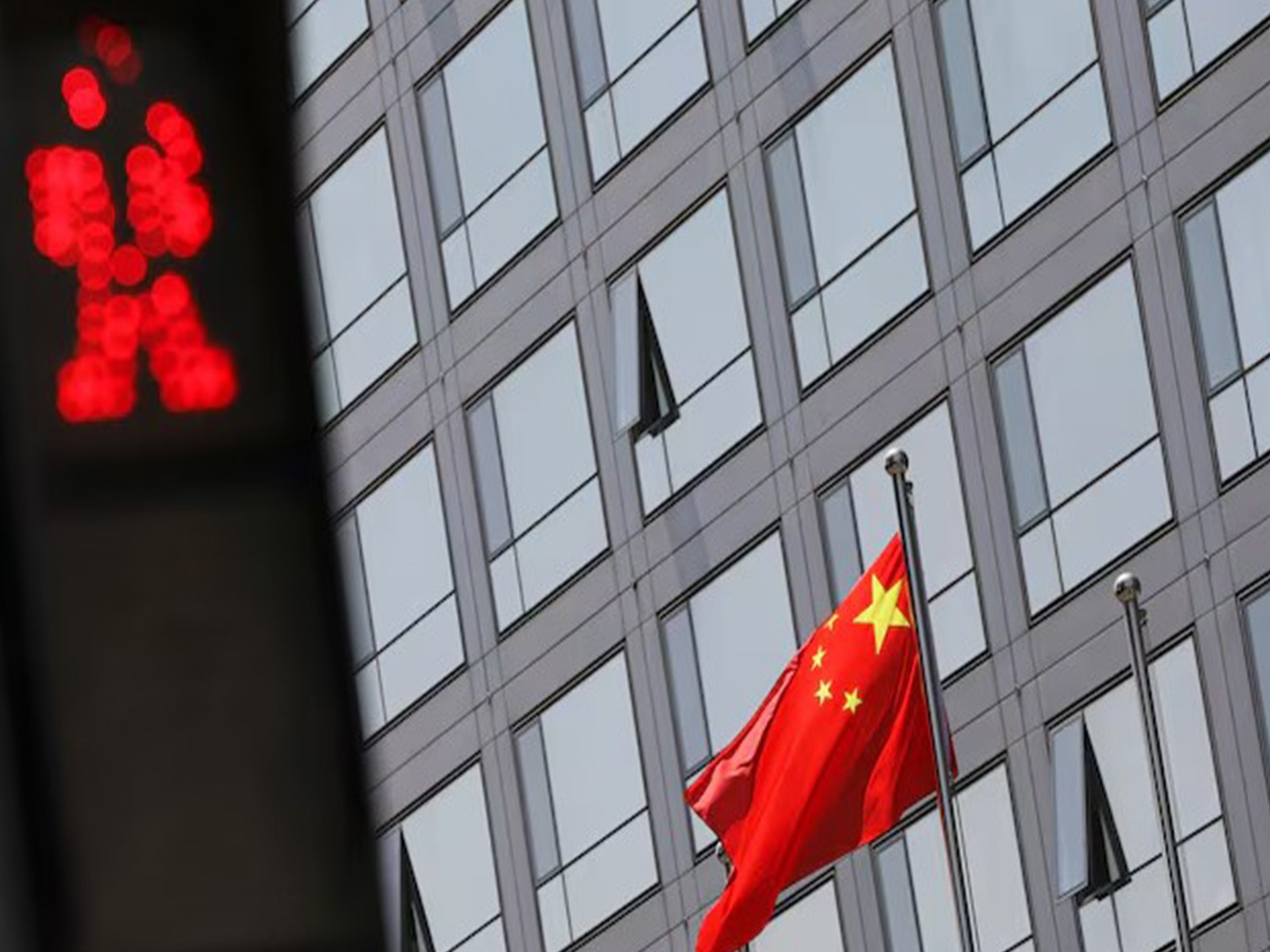
In the next five-year plan, the China National Space Administration (CNSA) will build a separate legal framework for the commercial space industry, to clearly supervise and support the development of the service chain from rocket manufacturing to data applications and space tourism services.
The move reflects Beijing's efforts to boost science and technology, reduce its dependence on state-owned enterprises and narrow the gap with the United States.
Race
Some startups such as Skysight Technology (specializing in remote sensing data) said that businesses in China have begun to apply satellite technology to production and operations, while LandSpace has developed reusable rockets to reduce launch costs and increase flight frequency.
At the China High-Tech Fair in Shenzhen, a space tourism project was introduced but has not yet been implemented. However, many businesses are optimistic. They believe that with reusable rockets and increasingly powerful technology, space tourism could become a reality in the near future.
Not only China, global space tourism is in its infancy but is receiving a lot of attention. According to GlobeNewswire , the global space tourism market is expected to increase by 11.28 billion USD from 2024 to 2029 with an expected compound annual growth rate of 16.8%.
As of early 2025, only about 60 people have been recorded as "space tourists." Most of the trips have been suborbital, allowing passengers to experience weightlessness for a few minutes before returning to Earth.
Tickets for suborbital flights range from $200,000 to $500,000, while orbital flights like those to the International Space Station cost more than $55 million per seat, according to Sci-Tech Today.
Market leaders like Blue Origin fly private passengers to the edge of space and back, while Virgin Galactic maintains a limited number of flights due to high costs and stringent technical requirements. Newcomers like China's Deep Blue Aerospace have opened suborbital ticket sales for 2027, priced at around $210,000 each, and are quickly selling out.
Challenges and opportunities
Chinese expert Shen Shijun said that the space tourism industry has long faced difficulties in tracking and transmitting data. When a spacecraft orbits the Earth, the ground station can only control it for about 5 to 10 minutes, according to Channel NewsAsia.
China is building a network of satellites to monitor spacecraft 24/7. Developing reusable rockets remains a challenge, but the country is learning from SpaceX's model to increase the number of launches and reduce costs.
Leading cities such as Beijing, Shanghai, Guangzhou and Shenzhen have increased investment and held numerous job fairs in the aerospace industry. The government has also prioritized the recruitment of high-quality human resources and issued K visas in October to attract foreign science and technology talents.
Source: Thanh Nieu Newspaper