Venezuela's Maduro cracks down on X, election dissent
Aug 12, 2024
Caracas [Venezuela], August 12: It's more than just a power struggle between two prominent men. The social media standoff between billionaire Elon Musk and Venezuelan President Nicolas Maduro has highlighted how Caracas has cracked down on freedom of expression since the contested presidential vote on July 28.
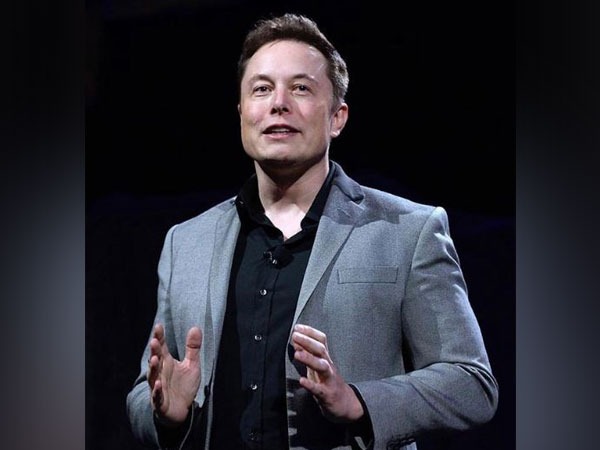
On Thursday, Maduro called X owner Musk an "archenemy" and announced a 10-day suspension of the platform, formerly known as Twitter, in the country.
"Get X out of Venezuela for 10 days!" the president posted. "The plans to sow hatred and violence and attack Venezuela from abroad must stop."
In response, Musk called Maduro a "donkey," then took it back later in another post, writing in Spanish: "Sorry for comparing Maduro to a donkey. That's an insult to the animal kingdom."
Musk had supported Venezuelan opposition leader Maria Corina Machado and presidential candidate Edmundo Gonzalez during the election campaign. He accused Maduro of manipulation and fraud in the election, and blamed him for the country's economic decline.
The ban on X, formerly Twitter, has intensified the already widespread censorship in Venezuela. According to a report by media platform Wired, Maduro also wants to curtail the use of Instagram and TikTok, calling the platforms "multipliers of hatred and fascism."
A report by the nongovernmental organization Espacio Publico shows just how common censorship has already become in the country, citing 408 media outlets that have been forced to cease operations over the past 20 years.
US-based human rights nonprofit Freedom House has said the Maduro government had blocked at least 70 websites in 2022.
Since the presidential election in late July, thousands in Venezuela and abroad have taken to the streets to demonstrate against Maduro. Their demand: that he recognize the victory of opposition candidate Gonzalez and resign.
The Venezuelan electoral authority awarded Maduro a third term in office with around 51% of the vote. But the opposition has also claimed victory, calling for the publication of election results, which have not yet been disclosed by the government.
Protests have gained momentum via social media, which is enormously popular in in the country. The hashtag #venezuela has been used over 97 million times on Instagram alone.
In one sensational post, Maria Oropeza, an opposition campaign leader in rural Portuguesa, reported on her own arrest in a video livestream, which was reposted on X by Ana Rodriguez Brazon, a correspondent for the Colombian daily El Tiempo.
Oropeza's 8,000 followers watched as security forces climbed the stairs to her building, banged on the door, broke the lock and forced their way into the apartment. Comments on the post included crying emojis.
"You're entering my home arbitrarily, without any search warrant," Oropeza said in the video. "I'm not a delinquent. I'm just an average citizen who wants a different country."
Her arrest is among 1,229 registered between July 29 and August 8 by the human rights organization Foro Penal, which provides legal support for the families of political prisoners.
Alfredo Romero, head of Foro Penal, said the number of detainees is probably even higher. "We are verifying the cases minute by minute, because there are many more," he told Latin American news portal Infobae.
Maduro himself made a veiled announcement of the crackdown on August 6. And while it may at first sound like a harmless reference to a popular folk song, it has taken on a sinister tone. "Tun tun. No seas lloron, vas pa' Tocoron," he said, which translates roughly to "Don't be a crybaby, otherwise you'll go to Tocoron" - Tocoron being the name of the central penitentiary in the state of Aragua.
The mass arrests of demonstrators and opposition members following the elections have now been informally dubbed Operation Tun Tun.
Source: Times of Oman