Centre For Sight and Milind Soman Put the Spotlight on Cataract Awareness
Nov 23, 2026
VMPL
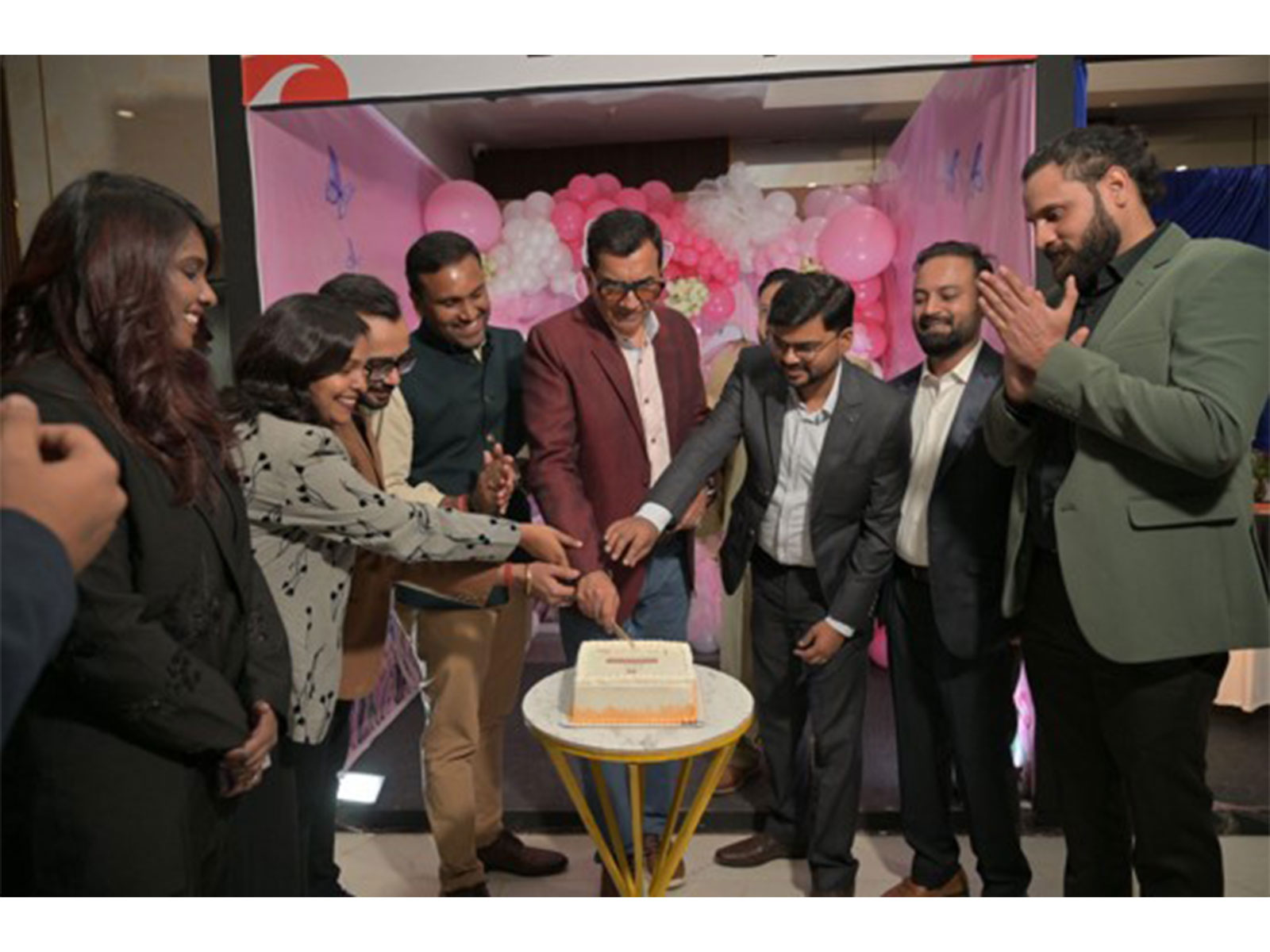
New Delhi [India], November 23: Known for his commitment to fitness and an active lifestyle, actor and fitness advocate Milind Soman has long championed the idea of staying healthy and active at every age. Now, through a digital video campaign (DVC) with Centre For Sight, he is lending his voice to another important aspect of healthy ageing: eye health and cataract awareness.
Cataracts are commonly associated with ageing, and the gradual changes in vision they cause are frequently dismissed as a natural part of growing older. By bringing a familiar face such as Milind into the conversation, Centre For Sight aims to make the subject more relatable and encourage people to pay attention to changes in their vision rather than simply accepting them as part of ageing.
The need for greater awareness is evident. Findings of the National Blindness and Visual Impairment Survey in a 2025 analysis published in the Indian Journal of Ophthalmology, show that untreated cataract accounts for 66.2% of blindness and 48% of moderate-to-severe visual impairment among people aged 50 and above. Research based on the Longitudinal Ageing Study in India (LASI) reported cataract prevalence of approximately 14.85% among its study population, with around 23% of affected individuals having unmet surgical needs.
When everyday changes could signal a cataract
A cataract develops when the natural lens of the eye becomes cloudy, affecting the passage of light and gradually blurring vision. Ageing is the most common cause, but diabetes and other metabolic conditions, prolonged ultraviolet exposure, smoking, eye injuries, previous eye surgery, long-term corticosteroid use and family history can also increase the risk. Cataracts are not restricted to older adults, with medical conditions, trauma, congenital factors and certain medications contributing to their development at younger ages.
The early signs are often easy to overlook. Night driving may become difficult as headlights cause increased glare or halos. Colours may appear faded or yellowish, while reading in dim lighting becomes more challenging. Some people experience blurred or hazy vision, increased sensitivity to light and frequent changes in spectacle prescriptions. These changes are often attributed to ageing or a shift in spectacle power, delaying an eye examination.
The broader message behind the Centre For Sight’s campaign is that maintaining an active and independent life also means paying attention to aspects of health that may not always be immediately visible, including eyesight.
Why people wait, and what they should know
Misconceptions surrounding cataracts remain a significant barrier to timely treatment. One persistent belief is that surgery should only be considered once a cataract becomes mature. In reality, there is no medical requirement to wait. Advancements in cataract treatment technology and minimally invasive surgical techniques enable the procedure to be considered at an earlier stage, depending on how significantly vision cataracts have affected your routine activities.
Another common misconception is that eye drops or medicines can dissolve cataracts. There are currently no proven medications that can reverse an existing cataract. Surgery remains the definitive treatment, involving removal of the clouded natural lens and its replacement with an artificial intraocular lens.
Fear of surgery, concerns about complications and the belief that cataracts can return after treatment can also discourage patients. With earlier surgical techniques, larger incisions, stitches and longer recovery periods were common, and patients often had to wear an eye pad after the procedure. At present, advanced cataract surgery involves minor incision, eliminating the need for stitches and supporting speedy recovery, helping patients return to their daily activities sooner.
Some patients also believe that surgery should be avoided during particular seasons. These misconceptions, combined with the tendency to dismiss deteriorating eyesight as an inevitable consequence of ageing, can lead to unnecessary delays.
The barriers are not just medical. A 2025 analysis of India's National Blindness and Visual Impairment Survey data found that 48.1% of visually impaired people who had not undergone cataract surgery did not feel the need for it. Cost was cited by 19.1%, while 10.7% reported fear of surgery or an unfavourable outcome. Addressing these concerns requires greater awareness of both the condition and the available treatment options.
Why timely assessment matters
Cataracts are diagnosed through a comprehensive eye examination, which may include visual acuity testing, slit-lamp examination and a dilated fundus evaluation to assess the cataract and overall eye health.
Surgery is not always necessary immediately after diagnosis. In early cases where vision does not significantly affect daily activities, doctors may recommend monitoring and updating spectacle prescriptions. Surgery is considered when cataracts begin interfering with activities such as reading, driving, recognising faces or working. The decision depends on visual impairment, individual needs and the ophthalmologist's assessment, rather than age or cataract maturity alone.
Cataract treatment options include Femtosecond Laser-Assisted Cataract Surgery (FLACS), Micro-Incision Cataract Surgery (MICS), and Phacoemulsification FLACS being the most advanced procedure uses laser technology for certain steps of cataract surgery, offering greater precision in these steps and reducing the need for some manual instrument-based techniques. The choice of procedure depends on individual eye conditions and clinical suitability.
At Centre For Sight, comprehensive eye evaluation guides cataract treatment, taking into account individual visual needs and coexisting eye conditions. The institution has consistently been at the forefront of adopting advanced cataract surgery techniques and technologies, bringing evolving treatment options to patients. With a network of over 95 eye care centres across India, Centre For Sight provides specialised cataract evaluation, treatment and follow-up care.
At Centre For Sight, comprehensive eye evaluation forms part of its cataract care approach, alongside surgical intervention and follow-up care. With a network of over 95 eye care centres across India, the institution provides specialised eye care services, including cataract evaluation and treatment.
(Prof.) Dr. Mahipal S. Sachdev, Padma Shri Awardee, Chairman and Medical Director at Centre For Sight and Former Professor, AIIMS, emphasises the importance of recognising vision changes and seeking timely medical advice.
“Cataracts often develop gradually, and I have come across several people who ignore early changes in their vision, often considering them as a natural part of ageing. You don’t need to wait for a cataract to mature before getting it treated. The decision should be based on how significantly it affects an individual's vision and everyday life. I would encourage people not to normalize changes in their vision or delay seeking expert advice. Timely cataract screening and the right intervention can make a meaningful difference to their quality of life.”
Looking beyond cataracts
The importance of regular eye examinations extends beyond cataracts. People with diabetes may develop cataracts at a younger age and are also at risk of other eye complications, including diabetic retinopathy and certain types of glaucoma. Regular comprehensive eye examinations and retinal screening are important, even when vision appears normal.
Deteriorating vision can also affect depth perception and contrast sensitivity, increasing the risk of falls among older adults. Delaying treatment despite progressively impaired vision can eventually affect mobility, independence and quality of life.
Through its association with Milind Soman, Centre For Sight Group of Eye Hospitals is bringing cataract awareness into a wider conversation around healthy ageing and maintaining an active, independent life. The message is straightforward: looking after your health should include looking after your eyes. For those noticing changes in their vision, a timely eye examination is an important first step. With 18 centres across Delhi NCR, including key locations such as Safdarjung, Dwarka and Gurugram, Centre For Sight makes specialised eye care accessible across the region.
(ADVERTORIAL DISCLAIMER: The above press release has been provided by VMPL. ANI will not be responsible in any way for the content of the same.)